
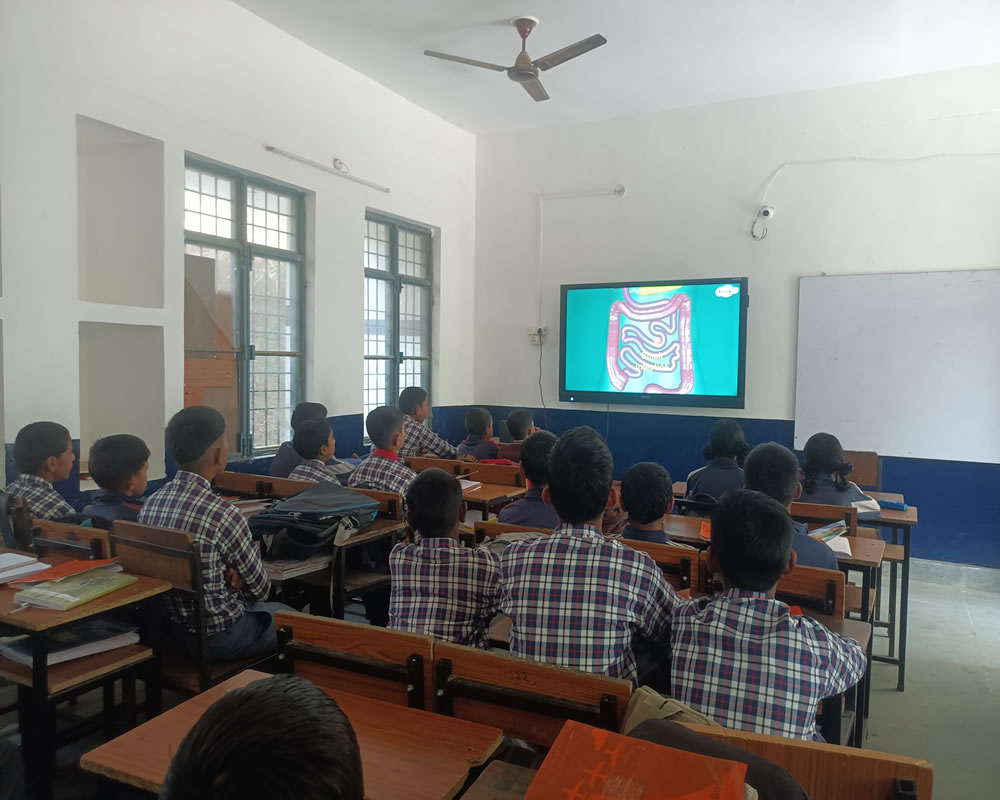
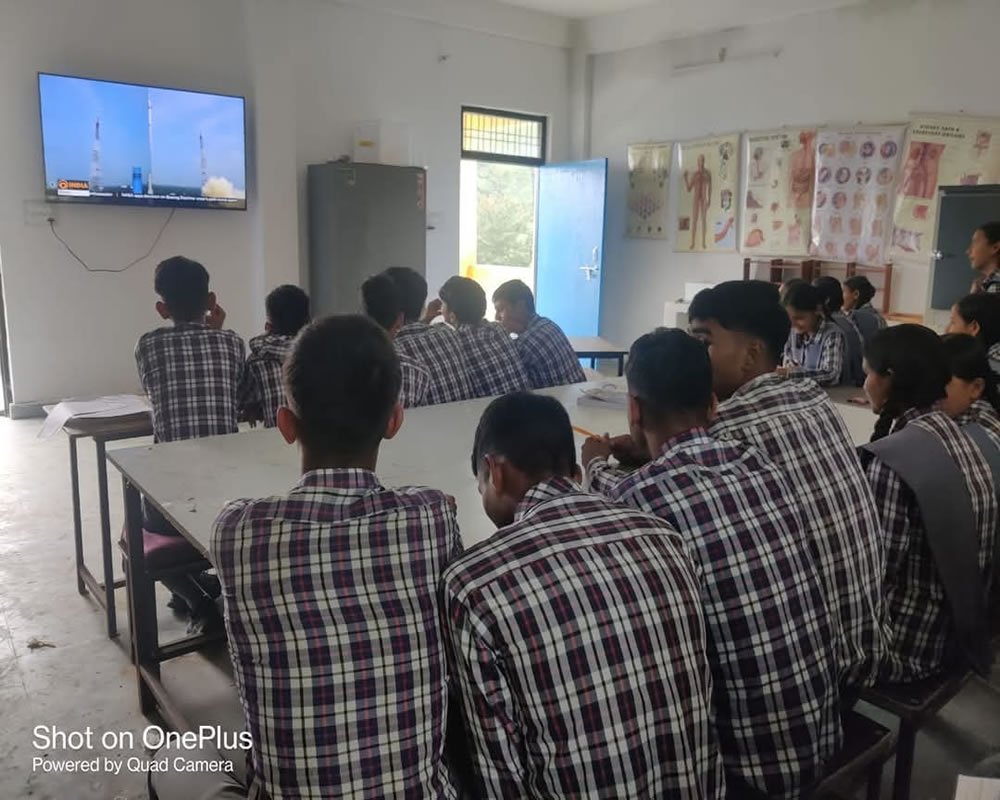
A smart classroom is a technology-enhanced learning space that integrates digital tools and resources to create an engaging and effective learning environment. It moves beyond traditional teaching methods by incorporating interactive whiteboards, projectors, multimedia resources, and other digital aids to enhance student engagement and comprehension.
Key Features:
Interactive Displays: Smartboards and interactive panels allow for dynamic presentations, collaborative activities, and engaging multimedia content.
Multimedia Integration: Teachers can use animations, videos, and interactive exercises to bring lessons to life and cater to different learning styles.
Digital Resources: Access to online educational platforms, digital libraries, and learning management systems provides a wealth of resources for students and teachers.
Enhanced Collaboration: Smart classrooms facilitate group work and peer-to-peer learning through interactive tools and collaborative software.
Benefits:
- Increased Student Engagement: Interactive and visually stimulating content captures students’ attention and motivates them to participate actively in learning.
- Improved Comprehension: Multimedia learning and interactive exercises help students grasp complex concepts more effectively.
- Enhanced Learning Outcomes: By creating a stimulating and engaging learning environment, smart classrooms can contribute to better academic performance.
- Greater Efficiency: Digital resources and tools streamline lesson planning, delivery, and assessment, allowing teachers to focus on student interaction and support.
- Preparation for the Future: Smart classrooms equip students with the digital literacy skills necessary for success in the 21st century.